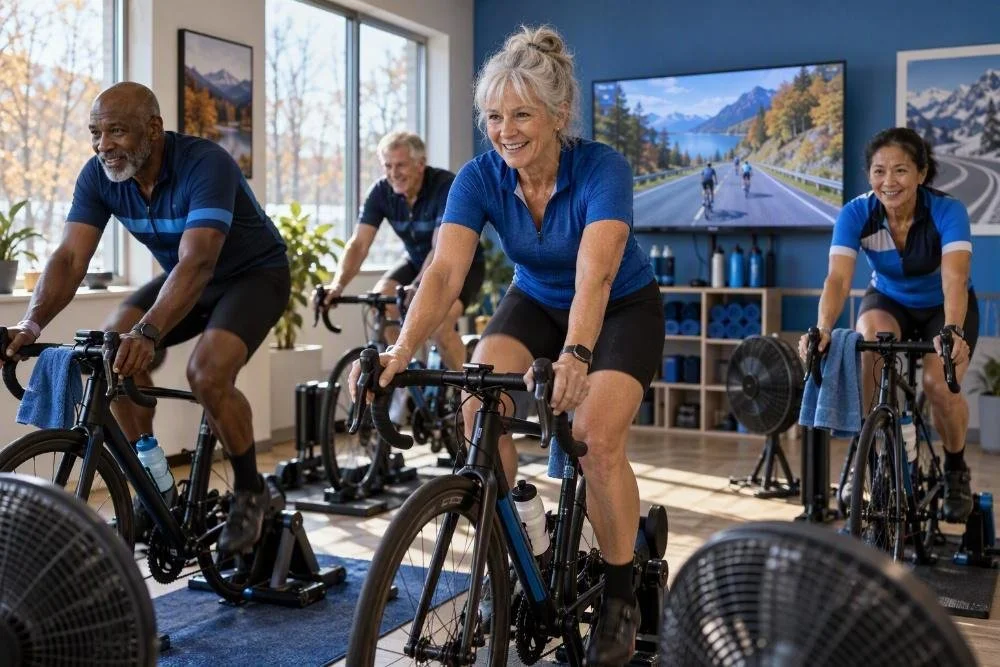
Indoor Training: Positive Concepts for Masters Cyclists
Indoor training during fall and winter provides master's cyclists with a controlled and optimistic environment to maintain and build fitness. By prioritizing aerobic endurance, integrating focused interval and strength sessions, and supporting recovery, cyclists can prepare for spring feeling healthy and motivated. Social and club activities, like scheduled group indoor rides, help maintain community and enthusiasm, ensuring winter training remains enjoyable and consistent.
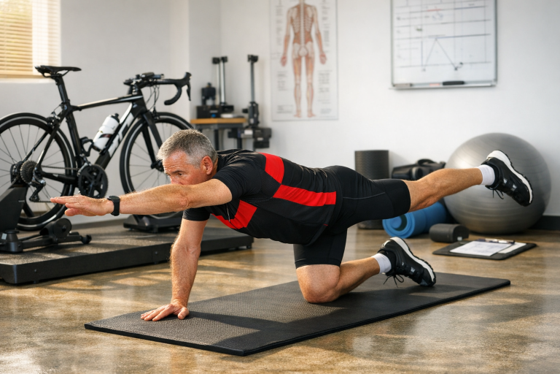
Mobility and Core: Ride Pain-free…Ride Safe…Ride Fast
For masters cyclists, riding pain-free is not just about logging more miles—it is about maintaining the mobility and trunk stability needed to support a sustainable position on the bike. Because low-back discomfort often reflects the combined effects of bike fit, pelvic control, spinal alignment, and fatigue, a few minutes of targeted mobility and core work can help riders stay comfortable, safer, and more efficient. This article explains why fit matters, what “core” should mean for cyclists, and how a simple daily routine can keep the body ready for longer, faster, more enjoyable rides.
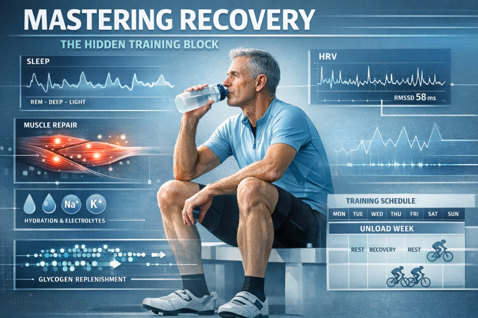
Mastering Recovery: The Hidden Training Block
For masters cyclists, recovery is the hidden training block that determines whether hard work becomes lasting adaptation. By prioritizing sleep, protein, hydration, carbohydrate replacement, sodium, and planned unload weeks, older riders can better manage fatigue, preserve performance, and stay healthy enough to train consistently over the long term.

Zone 2: The Longevity Engine
Zone 2 endurance training helps build aerobic resilience and supports long-term metabolic health. For most athletes, especially masters, it's best to anchor your weekly routine with consistent, easy endurance rides and add occasional higher-intensity sessions for balance. Consistency is more effective than sporadic big rides and mixing easy volume with some intensity leads to better durability and performance.
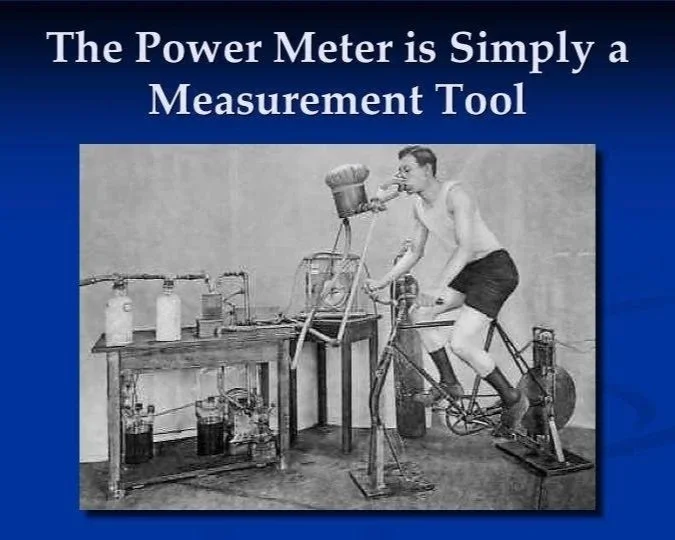
FTP After 50: Keep (and Grow) Your Threshold
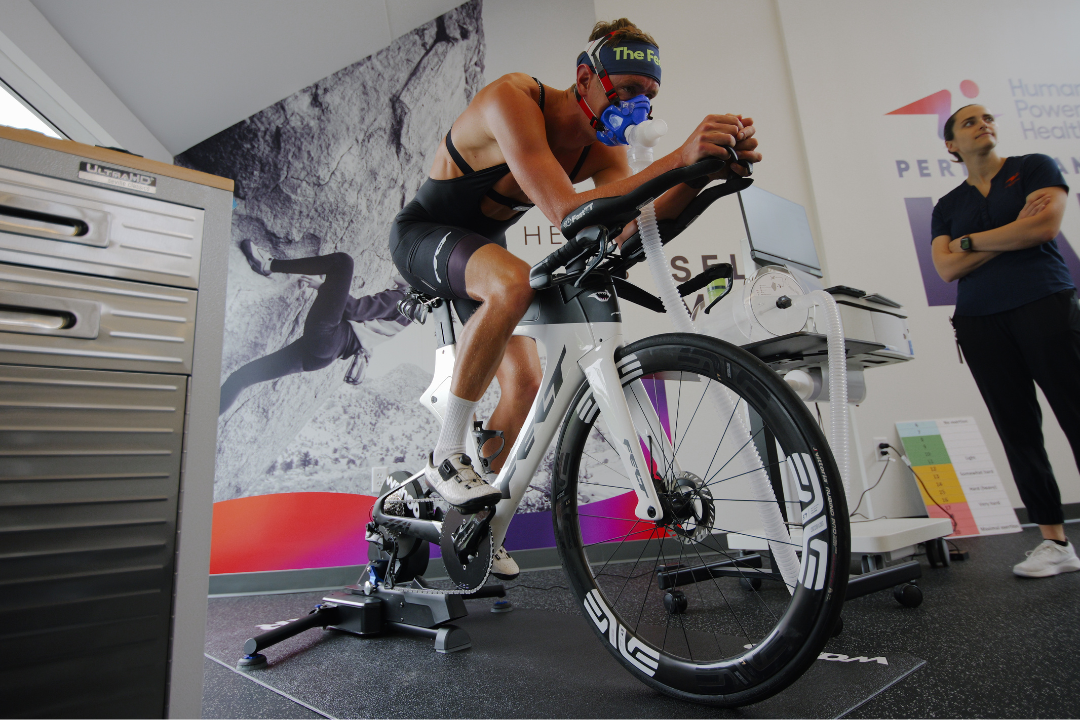
In endurance cycling, two numbers do most of the heavy lifting: FTP—the hardest steady power you can sustain for roughly an hour—and VO₂max—the size of your aerobic “engine.” Together, they describe both your day-to-day sustainable pace and your top-end aerobic ceiling. For master’s athletes, both remain highly trainable when intensity is targeted and recovery is respected, and newer power‑duration and critical power approaches can provide a more reliable picture than any single test effort.
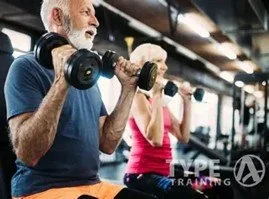
Strong to the Finish: Strength Training for Cyclists 50+
Strength training isn’t optional for cyclists over 50—it’s a force multiplier. While riding preserves aerobic fitness, it doesn’t fully protect muscle power, bone density, or connective tissue as we age. Smart, progressive resistance training fills that gap, helping masters cyclists ride stronger, climb faster, sprint with confidence, and stay resilient season after season. Think of strength work not as time off the bike, but as insurance for your riding—and compound interest on your long‑term health

Adirondacks Cycling Trip: Beavers, Bikes, and Beers
Join Scott McGill on an August 2026 cycling trip to the Adirondacks: Beavers, Bikes, and Beers. This tour blends the challenge of Adirondacks cycling with the fascinating world of wetland ecology—plus a well-earned pint at the end of the day. Use the comment section to express your interest and ask any questions you might have.
The Masters Advantage: How Cycling Counters Age‑Related Decline
Author: Murray Davis, MS
Portions of this article were drafted with assistance from Microsoft Copilot. The author reviewed, edited, and approved all content.
Aging changes the physiology of every athlete, but structured cycling attenuates much of the decline. Longitudinal data show that master endurance athletes who keep training see roughly half the VO₂max decline of sedentary peers over ~8 years [1].